


Manufacturing metal products having complex internal structures
molds with 3D conformal cooling channels
DMT 3D metal printing technology is able to produce products with complex internal structure like molds with 3D cooling channels. Already many molds produced with DMT methods are used in industries such as automobile production and are characterized by excellent cooling properties with injection molding, die casting process as well as in hot stamping.
In particular, the shortening of production cycle time contributes to increased productivity. Homogenous temperature distribution on the casting surface prevents unwanted deformation of plastic products, avoiding that aluminum scrap bonds to injection molding cases provides better overall quality.
Corrosion problems that occur on `powder bed fusion` production in the manufacture of cooling channels and can lead to constipation can be excluded entirely.
What distinguishes the DMT technology in terms of making molds with 3D internal coolant supply especially from 'powder bed fusion', is the opportunity to not only create new molds but to equip existing molds with new cooling channels.
There are many methods to provide molds with 3D cooling channels. The most popular 2 methods are described below.
Copper tube insertion:
In the manufacturing process of molds copper tube is inserted in the space provided and sealed with DMT technology. Through use of copper pipe corrosion risk is minimized.
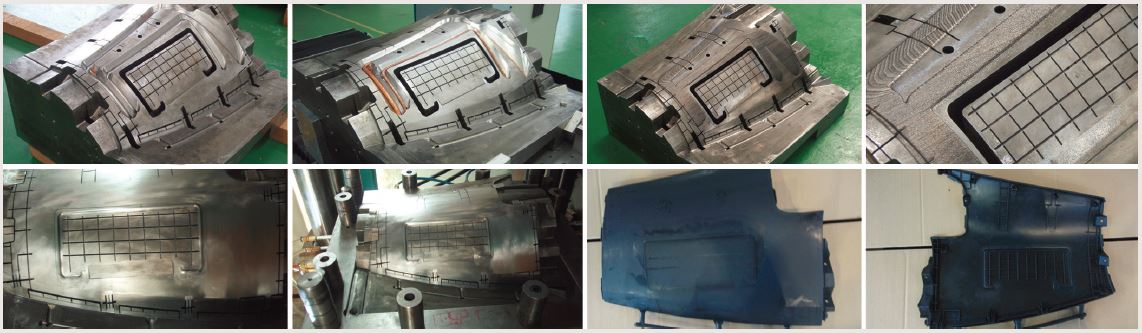
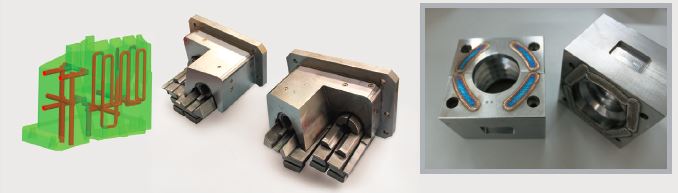
New technology for 3D cooling channel production:
In the by InssTek developed and patented coupon method parts of desired shape are produced in advance and put together to a whole structure during 3D metal printing process. This already in mass production proven method is particularly suitable for complicated structures and has excellent corrosion resistance.
Use of commercial metal powders
While most 3D metal printers use only the specially prepared, very expensive special metal powder, DMT 3D metal printer requires usual industrial metal powders.
This solution is very economical and has the advantage of greater variety of metal and metal alloys.
| Alloy Class | Alloy |
|---|---|
| Steels | P20, P21 |
| H13 | |
| D2, (M2, M4) | |
| 304, 316, 420 | |
| S7, A2 | |
| 17-4PH, PH 13-8Mo, CPM 1V, Invar | |
| Copper | Cu-Ni, Cu-Sn, AI Bronze |
| Aluminium | 4017, 4140, 4340 |
| Alloy Class | Alloy |
|---|---|
| Titanium | CP Ti |
| Ti-6-4 | |
| Ti-6-2-4-2, Ti-6-2-4-6 | |
| Nickel Base | 600, 625, 690 |
| 713, 718, 738 | |
| Hastelloy X, Waspalloy, C-276, Nistelle C | |
| Cobalt Base | CoCr, Stellite 6, Stellite 21, Stellite 706, MERL 72 |
| Tin | White Metal |
The table shows just the metals already printed with our technology so far. Almost every week a new metal is added to our experience.
Fabrication of High-performance multi-metal parts
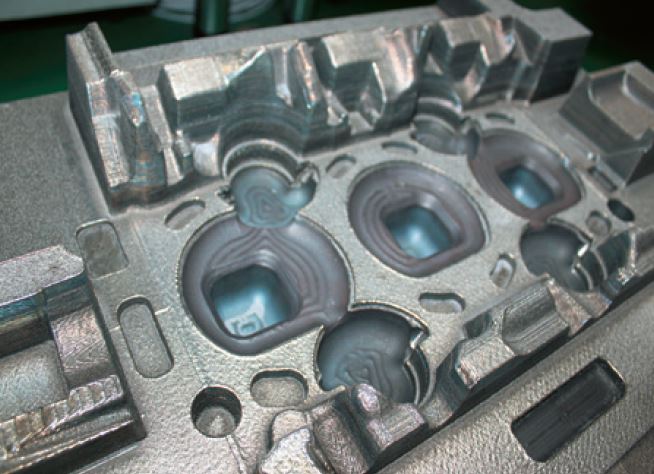
Multi-metal parts composed of two or more different metals can be fabricated by quickly switching a powder feeder to another one during a printing process with DMT technology. DMT 3D metal printers have 2 or 3, even more metal powder feeders each of which filled with different kind of metal powder. The part fabricated with multi metals can maximize its performance and life time because a functionally suited metal can be deposited to the right place. This is one of distinctive values of DMT 3D technology.
Fabricating multi-metal parts has 2 significant industrial advantages; one is to significantly reduce the production cost in fabricating structures made of special (expensive and strategically important) metals by depositing them to the right places where their functional properties are needed. Second is to be able to apply a new concept to develop a new product. For example, a thermally conductive mold can be fabricated by using two different kinds of metal powders, Cu or Cu alloy powder for the part needing high thermal conductivity, and tool steel powders for the working part needing high wear resistance. The thermally conductive molds fabricated using DMT 3D technology are already being used in mass production in automobile industry and confirmed their excellent performance.
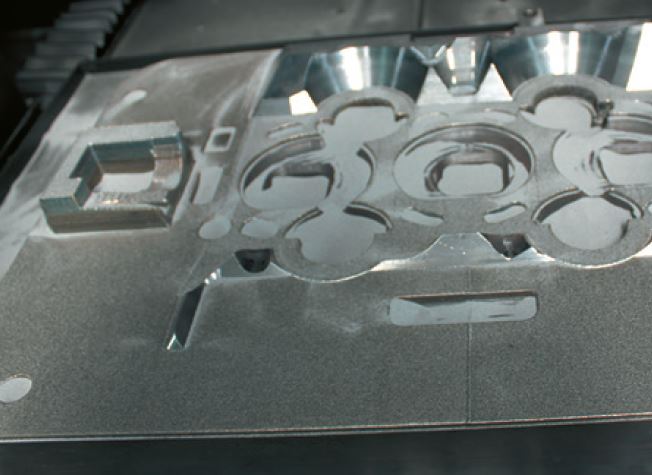
Restoration and repair of damaged metal products such as molds
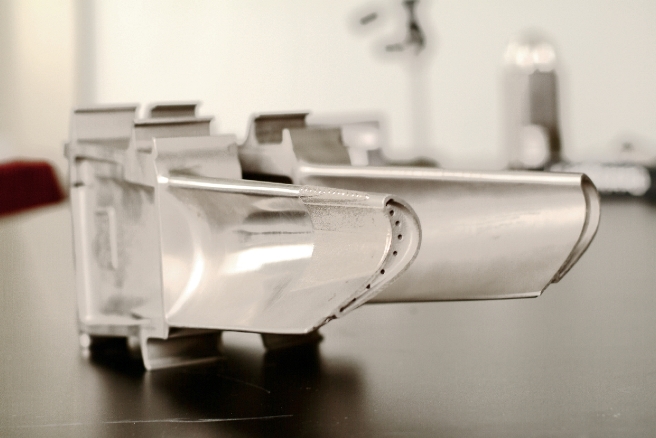
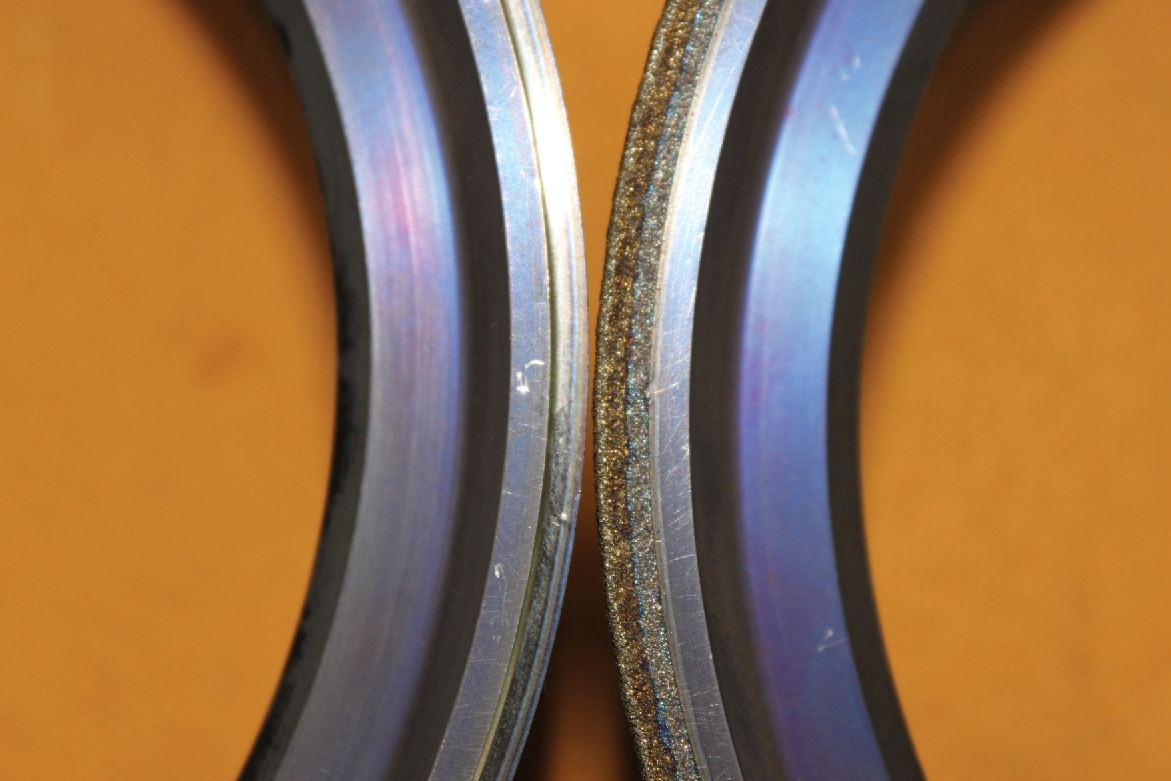
Repair and restoration of damaged metal products are one of the strongest functions in DMT 3D technology. It means the restoration of their shapes and properties same as the original one using the exactly same metal compositions as the damaged ones.
DMT 3D technology can also be used for reverse engineering. This process can be done by repairing the damaged part after creating their 3D CAD data using a 3D scanner and comparing them with their original 3D CAD data.
Another strong and unique merit of DMT 3D metal printing technology is an ’autotracking’ technology working in a "semi-teach to-learn" mode.
This technology can make it easy to repair the structures damaged on their curved surfaces having no original CAD/CAM data by self-creating 3D geometrical information on the damaged curved-surface following randomly designating three or more point coordinates(X, Y, and Z) on its imaginary surface in real-time. This unique technology is offered optional to InssTek`s Magics software.
Reconfiguration of metal products
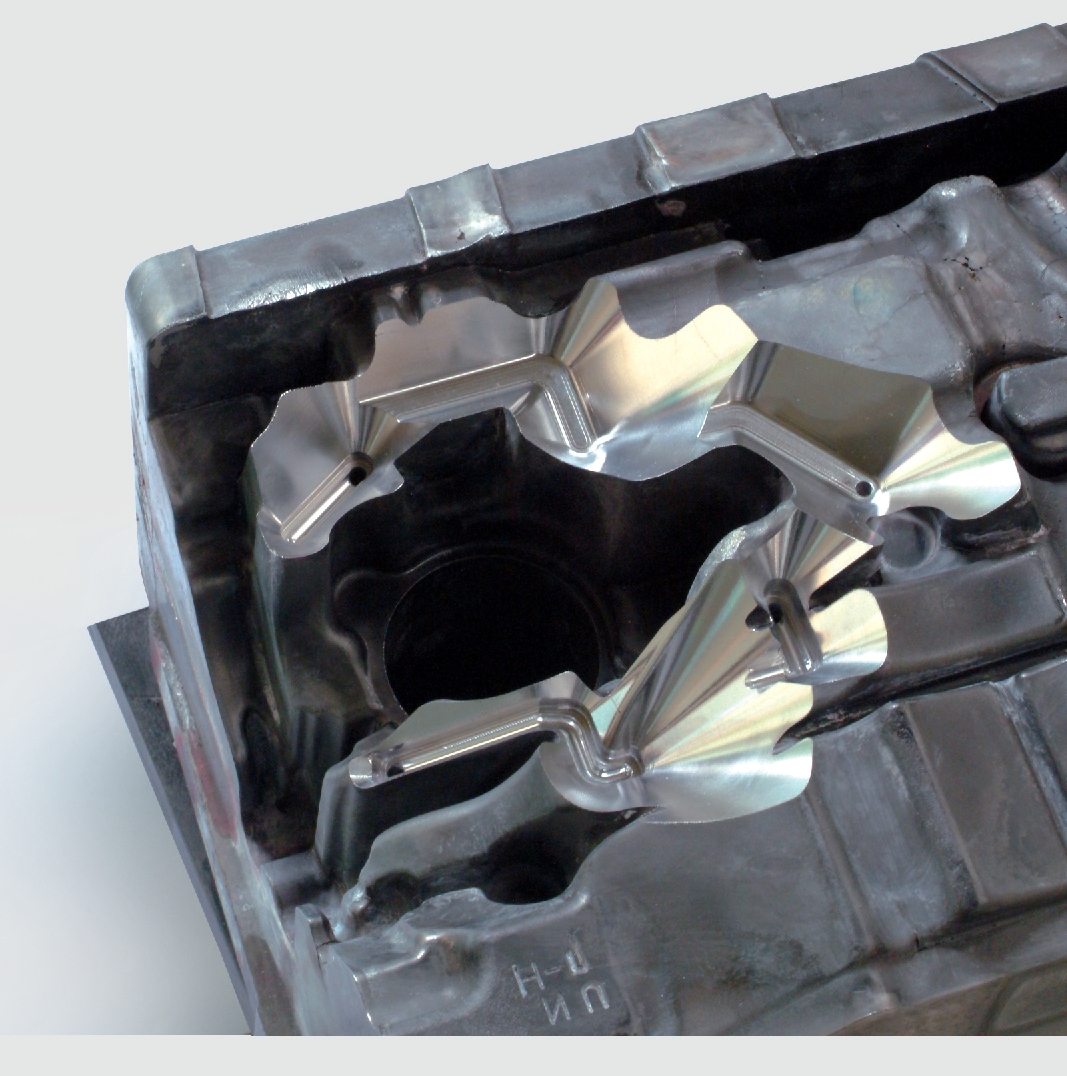
DMT 3D technology can reconfigure outdated or faulted molds much effectively by comparing CAD data of new and outdated ones using a reverse engineering technique followed by removing unnecessary parts and subsequently building-up required ones using the DMT 3D printers. This technique can also be applied for large-size structure for tryouts.
Superior mechanical properties
The structures manufactured by the DMT 3D printers have been confirmed to have equal or superior metallurgical and mechanical properties compared to wrought ones, even without post heat treatment. They show fully dense and very fine microstructures resulting from rapid solidification of complete melt-pool.
Manufacturing structures with special metals
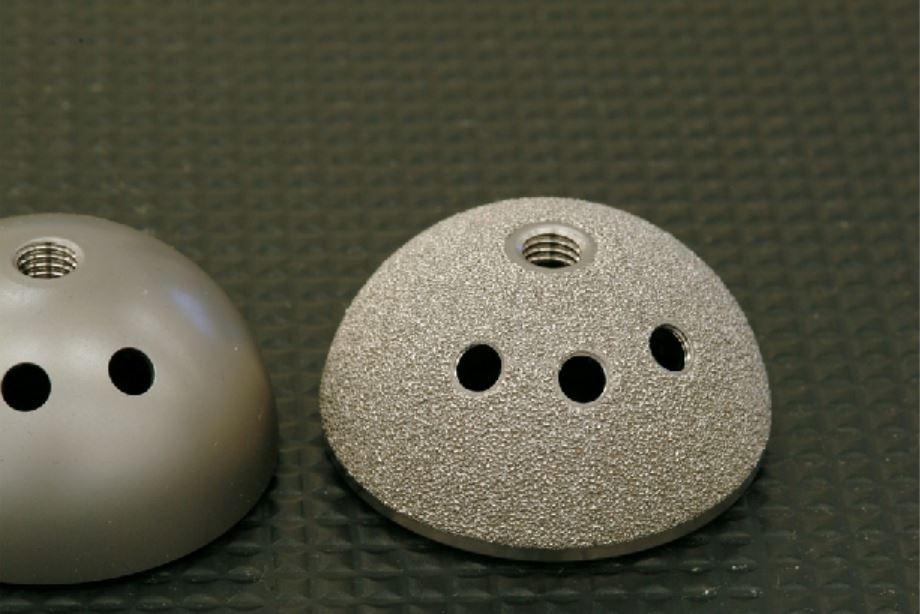
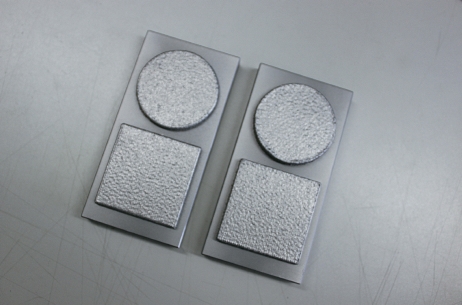
In the DMT metal 3D printing technology, the metal powder which was not used for printing, will be collected and reused. Material loss is therefore very low, which is especially helpful on high-quality metal alloys such as Ti, Co, Ni alloys and refractory metal alloys. Thus artificial joints with porous Ti surfaces coating is produced on InssTek system.
DMT technology is also able to create forms quickly and easily from a 3D CAD file. It is therefore ideally suited for custom contract manufacturing and e-manufacturing. This possibility is in the medical, defense and electricity industry widely accepted.
Application to alloy design
A constant challenge in metallurgy is the production of samples with exactly the desired chemical, mechanical properties. In the DMT 3D metal printing technology, we offer the opportunity to fill various metals in several hopper. The amount of powder from the individual hoppers is precisely dosed and flows in the desired ratio exactly into the melt pool. In the melt pool is always very active convection, so that a homogenous mixing of the different metal powder is guaranteed. In this way, we can manufacture metal alloy samples of the desired composition and desired shape.